Qinghai Salt Lake Industry Co., Ltd

Qinghai Salt Lake Industry Co., Ltd

specializing in chemical manufacturing

QingHai Salt Lake Industry Co.,Ltd. (Chinese abbreviated as "Salt Lake Stock", English full name QingHai Salt Lake Industry co.,Ltd., securities code 000792) is a provincial large listed state-owned enterprise managed by the Qinghai Provincial State-owned Assets Supervision and Administration Commission,...

Read More

Products

Capabilities

  1. Professional Support

    Product selection guidance, volume quotation, sample provision, and technical consultation ensure efficient purchasing decisions.

  2. Reliable Supply Chain

    As a certified manufacturer, we ensure stable chemical inventory, flexible production scheduling, and global logistics support.

  3. Quality & Compliance

    All products meet international standards (ISO, GMP, FCC/USP/EP), with each shipment accompanied by COA, MSDS, and optional TDS.

Qinghai Salt Lake Industry Co., Ltd

Culture

Innovation

We continuously develop new chemical solutions and refine processes to meet evolving industry demands.

Sustainability

Our operations prioritize environmental stewardship, responsible sourcing, and long-term resource efficiency.

Reliability

Consistent quality, stable supply, and responsive support ensure our partners can trust us in every project.

News Center

Qinghai Salt Lake Industry Co.,Ltd.

 As chemical manufacturers, we keep a close eye on the activities and developments at Qinghai Salt Lake Industry Co., Ltd. The reasons are clear: few companies have access to such rich mineral resources under their feet. Qinghai’s unique salt lake region holds reserves that most producers in the rest of the world can only dream about. The company has developed a robust infrastructure for extraction and conversion of brines into high-purity raw materials. These materials form the foundation of entire downstream chemical industries. Our own experience in sourcing high-grade magnesium chloride, potassium chloride, lithium, and other salts highlights just how much of an impact a low-cost, high-volume producer can make on the market. Consistency of supply inspires confidence, and over the years, Qinghai Salt Lake has delivered both stability and impressive volumes into global markets. Folks in specialty chemical processing know what it means to have a reliable source for these inputs—process adjustments become less frequent, quality complaints drop, and investments in longer-term technology upgrades make sense when bottlenecks or price shocks occur less often.  Talk to anyone in battery fabrication or energy storage, and you’ll hear how much raw lithium matters right now. Qinghai Salt Lake Industry Co., Ltd. has become a key player in the battery-grade lithium carbonate segment. Demand for electric vehicles has lifted prices for refined lithium compounds, and end-users across Asia, Europe, and North America are looking to secure stable, large-scale contracts. Our production lines depend on these intermediate materials having clean chemical profiles and consistent particle size so downstream purification is predictable and wastes are minimized. Qinghai’s investment in new plant capacity has altered global price expectation and even visibility into future feedstock availability. This creates opportunities for us to plan ahead and improve our own process flow, which results in less downtime and cost savings that we can pass along to our own customers. Lithium reliability isn’t just a technology story—it's a story about the capacity to keep up with global shifts toward electrification, grid storage, and new forms of transport. Anyone running a blending hall for battery materials or building up reserves for grid-scale batteries looks to sources like Qinghai as part of risk management and forward supply planning.  Chemical producers rarely get excited about environmental regulation, but Qinghai Salt Lake Industry’s ongoing investments in green technology are worth acknowledging. Brine extraction and processing can come with a heavy ecological cost, yet the region’s harsh, high-altitude climate means that solutions here often have to be robust and energy-efficient out of necessity. Closed-cycle evaporation, intelligent brine redistribution, and efforts to reduce byproduct waste directly impact how supply chains across Asia can meet tighter sustainability guidelines. Our experience managing audits for international buyers shows there’s growing interest in the provenance of raw materials—traceability isn’t a theoretical concern anymore when regulators demand independent verification. Every ton of magnesium or potassium chloride sourced from a well-run operation simplifies compliance reporting. We see real value in controlling emissions at the source, maintaining wastewater quality, and demonstrating stewardship of local resources. These aren’t just slogans. They’re practices that reduce the risk of expensive supply disruptions and give our international customers greater comfort with the products they buy from us.  In chemical manufacturing, shockwaves from shortages or policy shifts ripple throughout the value chain. For companies making fertilizers, flame retardants, de-icing salts, or specialty glass, the security of upstream raw material supply becomes vital. Qinghai Salt Lake Industry’s scale reduces the likelihood of sudden price spikes or inventory shortages for downstream manufacturers around the world. From direct experience, we know that price predictability lets us negotiate better rates for not just core materials, but also logistics, storage, and secondary processing. By maintaining a deep relationship with suppliers capable of consistent exports, our teams have avoided the worst of the volatility that can knock out smaller, less prepared operators. Sourcing at this volume supports capital investment in automation and advanced process control in our own plants, allowing us to raise the bar on both capacity and product quality. The efforts Qinghai Salt Lake has put into continuous expansion, modernization, and integration reinforce a network of industries that supply food, vehicles, pharmaceuticals, and almost every modern convenience.  The markets we serve never stand still. International trade tensions, price controls, and technological disruptions push manufacturers to seek ever-greater efficiency and resilience. Decisions made at the scale of Qinghai Salt Lake Industry can reshape the competitive landscape in ways outsiders might struggle to understand. Over recent years, we’ve had to recalibrate our production lines to accommodate new grades of potassium sulfate and lithium carbonate, while shifting away from older formulations. Sometimes this involves deep process optimization, re-qualification with clients, and even fresh capital expenditure at home. Qinghai’s ability to maintain output despite economic or geopolitical storms directly affects how we manage these transitions. We see more integrated planning as a consequence—our buyers, regulatory compliance teams, and production supervisors treat announcements from China’s salt lake operations as hard signals, not background noise. This interconnectedness drives innovation, but also tasks us with anticipating how regulatory or policy changes in one region can ripple across an entire network of supply. Companies that stay agile and maintain transparent relationships with their Chinese partners are adjusting faster and finding new opportunities as end-markets shift, especially in advanced ceramics, next-generation batteries, and agricultural chemicals.  The rise of Qinghai Salt Lake Industry didn’t occur in isolation. The company’s long-term strategy has helped re-define best practices in mineral processing, labor management, and community engagement. Other producers, ourselves included, have responded by re-investing in both technical expertise and workforce training to keep pace with higher standards. Chemical production is about more than output—it’s about accountable management, responsive supply chains, and willingness to adapt to a new era of customer expectations. We maintain quality programs that monitor not just incoming feedstock, but every step from storage and pre-treatment through final product certification. Robust documentation and independent quality checks help assure buyers that materials can be traced, hazards are managed, and compliance holds firm even during periods of strong demand or rapid process change. Looking at Qinghai’s growth, we see proof that discipline, continued investment, and collaborative relationships with customers are the core of a sustainable and resilient chemical industry. Real challenges remain—water use, environmental impact, technological leapfrogging by competitors—but by building on these foundations, we can keep ourselves and our customers well-prepared for whatever comes next. Mobile: +8615365186327E-mail: sales3@liwei-chem.comWebsite:www.qinghai-saltlake.com
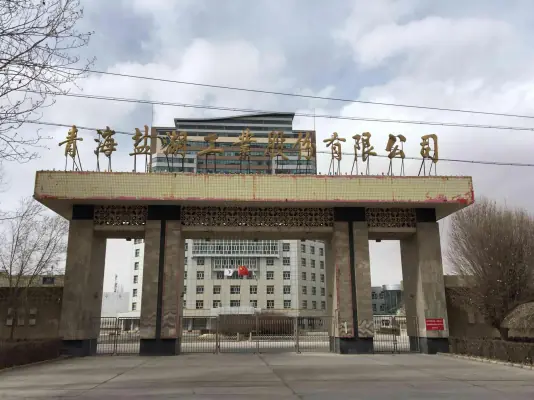
Qinghai Salt Lake Potash Co., Ltd.

 Long stretches of the Qinghai Salt Lake shape more than just the skyline—they set the pace for how the potash business in China works. As someone who’s gone through waste brine analysis, pulled late nights at evaporation ponds, and tracked the surprises of seasonal weather, I see more than a collection of machines. One slip in temperature and the potassium yield swings. A short rainstorm, the color of the brine shifts, and the numbers from the lab start looking off. This business isn’t controlled from desks in the city; a team in the field, some with decades behind them, keep the process adjusting in real-time.  Qinghai Salt Lake Potash Co., Ltd. stands out because of the natural resources right beneath their boots. The lake’s brine is rich in potassium and magnesium, which means there’s no need for complex mining underground. Compared to traditional ore mining, this method cuts both cost and environmental disturbance. Cutting corners here brings headaches that can linger for years. I’ve watched competitors rush through brine management, only to run into scaling and pipe blockages that grind everything to a halt. Salt Lake’s management style works because they focus on close monitoring. Testing happens nonstop. Even a slight change—whether at primary evaporation or final crystallization—triggers alerts through the control rooms. Operators know that a missed adjustment means a lower grade batch, not just lost profit.  With the world’s potash fertilizer supply under stress, especially from global politics or shifting shipping lanes, Chinese potash sources now fill a major gap. Back when ocean routes from Canada or Russia became unreliable, Qinghai’s output kept farmers stocked. Domestic supply means more predictable pricing and fewer middlemen taking their cut. In conversations with logistics partners, the difference between relying on internal sources and chasing international stock is immediate: costs stay stable, timelines stay short, and demands driven by a growing domestic market can be met head-on.  Production here isn’t a simple matter of extraction. Large-scale evaporation ponds consume land and water, and brine tailings need careful handling. Environmental regulators keep their eyes peeled. The potash industry has learned that shortcuts with brine disposal lead to public anger and government fines. Years ago, an accidental brine overflow in a less regulated region drew national scrutiny. Qinghai Salt Lake Potash’s more transparent checks and reporting keep government and community relations steady. The lessons from old accidents drive better brine recycling and secondary product recovery. I’ve seen teams push magnesium salts into useful industrial feedstocks or even agricultural soil improvement agents, squeezing more value from what used to be waste.  Salt Lake’s operation uses some of the most mature solar evaporation know-how. The company’s scale means weather prediction uses local meteorological data, not distant forecasts. There’s always a battle in the lab between scaling down fresh water use and driving up crystallization efficiency. New anti-scaling agents get tested, and maintenance tools for pumps and pipes stay upgraded. Some years, salty winds coat gear in days; other times, high UV dries brine so rapidly that pond volumes drop fast. Keeping the right staff on site—those who understand these micro-adjustments—sets success apart from failure.  The company’s influence goes beyond its own fences. Nearby towns see job opportunities, but also changes in land use. Some pushback comes when new pond expansions use what locals see as traditional grazing land or bird habitats. Constructive dialogue works best here. Workers come from the local towns, and their own relatives monitor how expansion happens. Over time, people living nearby see the benefits—jobs, infrastructure, schools—but also share blunt feedback when something goes wrong. No chart on a city office wall beats a word from a local loader operator whose family has grazed yaks for generations.  From an industry perspective, steady raw material from Qinghai Salt Lake lowers stress on supply chains that already stretch thin with global sourcing. Fertilizer manufacturers trust that potassium chloride keeps arriving, so they can plan for both spring and autumn planting seasons without frantic stockpiling. There’s a ripple effect: as raw input stays stable, food security for millions improves, and price shocks in downstream agrochemical sellers soften. It isn’t just about local production numbers. The benefits flow through every warehouse, down to the rural farmers who count on every bag of fertilizer—and they remember shortages.  Scaling these operations responsibly means admitting that environmental threats and community concerns require long-term thinking. Real-world improvements come from walking the ponds, listening to the maintenance crew, or checking tailings runoff after a heavy rain. There’s pressure to expand to meet national food targets, but the old hands on site know that hasty growth only leads to later trouble. Plant managers can reel off incidents of poorly-designed expansion leading to wasted investment. For those of us who’ve spent years in the business, that’s not just a story—it’s a warning shared on every site visit, every season.  Qinghai Salt Lake Potash Co., Ltd. shows what can happen when local resources, careful management, and a little bit of perseverance come together. Decisions aren’t made in isolation from field reality. Running this kind of operation brings rough days—a cracked pond liner or a summer drought can undo weeks of gains. The answer isn’t ever to cut corners; steady hands and local knowledge make the difference. Watching this company grow up alongside the market, it’s clear that success depends on respect for land, people, and the basic principles of chemistry that don’t change just because the scale gets bigger. Mobile: +8615365186327E-mail: sales3@liwei-chem.comWebsite:www.qinghai-saltlake.com

Qinghai Yanhu Industry Co.,Ltd.

 Working in chemical production, especially deep within salt lake regions, demands real commitment. Qinghai Yanhu Industry Co., Ltd. has grown up in the same land that tests patience, resourcefulness, and steady innovation. Any company operating amid the Qinghai salt lakes can lay claim to some of the most essential raw materials on earth, but that does not lend an easy path. Years of brine extraction and processing have revealed both the riches of the salt lakes and the relentless pressures facing industrial operations: environmental balancing acts, unpredictable market cycles, and the serious business of technological improvement. The brine of Qinghai sits on a deposit measured in the tens of millions of tons, so the scale itself changes how operators think about resource management. As another manufacturer, I notice how Yanhu's operations echo the constant reality that genuine efficiency grows only with years of hard-won expertise and a willingness to learn directly from the lakes and cultures they depend on.  Complexity is not just a technical puzzle—it is rooted in the unevenness of raw materials, wildly fluctuating weather, and surprising regulatory winds. Taking lithium, potassium, or magnesium out of these brines is more than a process—each season, the lakes throw cascades of variables at producers. Yanhu’s lithium product lines ride the same waves of global demand driven by battery manufacturing; readjustment is ongoing and never comfortable. We know from our own routines that each time extraction rates shift, or a brine's mineral concentration drifts, systems must adapt. Chemical separation routines, waste recycling protocols, and filtration hardware often need tweaking. As demand pulls hard for cleaner, more consistent material, recipes are adjusted on the fly. This ongoing dance often forces manufacturers to choose between straightforward throughput and purer output. Sometimes quality wins, sometimes speed does. Yanhu’s engineers face these calls, just as we do, with team meetings littered with test results and candid talk about trade-offs.  Operating on the Qinghai-Tibet Plateau means the environment cannot be ignored or handled as an afterthought. Chemical manufacturing at altitude brings record UV, limited water, and deep winter cold—put all that together, and every batch feels like a battle. Within the industry, the real stakes show up in waste brine management, dust containment, and localized water treatment. Yanhu’s operations have often been cited as a test case for large-scale plateau chemistry. Their push towards more efficient brine recycling is echoed in our own work, frankly because nobody can afford to waste brine for long, either on paper or by local government reckoning. Years ago, the mindset was resource extraction above all else, but manufacturers in Qinghai, including Yanhu, have been forced by swift regulation and critical public response to keep refining environmental controls. For every success in cutting down discharge or lowering ammonia emissions, there is the reminder that lasting trust with local communities outlasts any single year’s profits.  Lithium, potash, and other minerals now feed a world economy ravenous for batteries and fertilizers. Earning a trusted slot in the global supply chain demands more than digging and refining; end users want reliability, documented traceability, and reassurance about the ethics baked into every shipment. Yanhu, built within a national resource policy context, faces scrutiny both at home and overseas. False moves attract headlines. In our view, daily operational transparency can bring stability—yet inertia and profit tempt shortcuts. Yanhu’s visibility raises the bar for everyone operating nearby, including ourselves. International buyers are no longer content with bland assurances; they want third-party verification and site visits. We see for ourselves how Yanhu's evolving reporting standards reflect a broader industry movement, and at the same time, the burden of compliance falls heavily on plant operators unaccustomed to outsider scrutiny. Local communities want proof of jobs and minimal disturbance, officials push sustainability, and distant buyers expect ESG reports that pass legal muster in multiple countries. Navigating these waters, discipline in documentation and open communication remains the only realistic path forward for any manufacturer with real skin in the game.  Everyone in this sector watches high-profile neighbors. A failure at a major site can spill over onto the whole region’s reputation; so can a well-run expansion or a major R&D win. Yanhu’s moves to automate brine processing lines, retrofit aging crystallizers, or invest in waste recovery have sometimes set benchmarks for us all, and at other times forced hard reflection on the challenges of large-scale transformation. Our own teams hold candid discussions about the uneven engineering outcomes in Qinghai—where wiring and pipework wrestle with freezing and thaw cycles, or supply trucks run late because snow chokes arterial roads. In some years, price surges for battery-grade lithium seem to promise easy wins, but reality brings batch rejections or shipping delays caused by nothing more complex than sudden lake flooding. It is one thing to announce investment in high-purity lithium carbonate; quite another to stand behind it through weathered production campaigns and rapidly shifting regulatory attention. Yanhu’s experience drives home a truth few headlines capture: big projects amplify both wins and logistical headaches, magnifying the effect of every small mistake.  In chemical production, decision-making leans heavily on close observation and solid memory. Our own business has tracked with Yanhu as both competitor and peer, and the lessons run deeper than any financial report. Each improvement in salt separation, or smarter sensor deployment on the evaporation fields, means energy saved and yield realized in rough terrain. Each setback stemming from poorly anticipated rainfall patterns, equipment corrosion, or new safety mandates means long days spent re-designing processes, re-training staff, or negotiating with supply chain partners. For any manufacturer trying to juggle community relations, demanding quality standards, and profit margins, Yanhu’s journey offers reminders about resilience. Serious problems present themselves clearly: how to keep brine disposal ecologically sound, how to maintain consistent product purity while batches vary, how to keep skilled teams committed in a harsh environment. Each pushes innovation and pragmatic compromise at scale—whether it means shifting toward more advanced membranes, or negotiating power tariffs that can make or break tight budgets.  Nobody leaves the salt lakes unchanged—every year brings new technology, new regulation, and stiffer competition. Yanhu’s progress and pain points have forced honest conversations among manufacturers, regulators, and local people alike. There are no simple solutions: innovation comes in waves, regulatory compliance never stands still, and community expectations keep rising with every headline or environmental change. Experience teaches that companies like Yanhu succeed over the long haul not by luck or marketing gloss, but by confronting trouble head-on, making tough choices, and sharing the facts—good and bad. For us, learning rests in that same discipline, refining every batch, testing every discharge, and investing in every worker’s knowledge. The salt lake industry will keep evolving, and manufacturers who listen, adapt, and commit to real solutions will shape the next chapter. Qinghai Yanhu Industry Co., Ltd. stands as both a reflection of those stakes and a reminder that real industry progress demands unvarnished effort, daily accountability, and the willingness to keep improving under pressure. Mobile: +8615365186327E-mail: sales3@liwei-chem.comWebsite:www.qinghai-saltlake.com